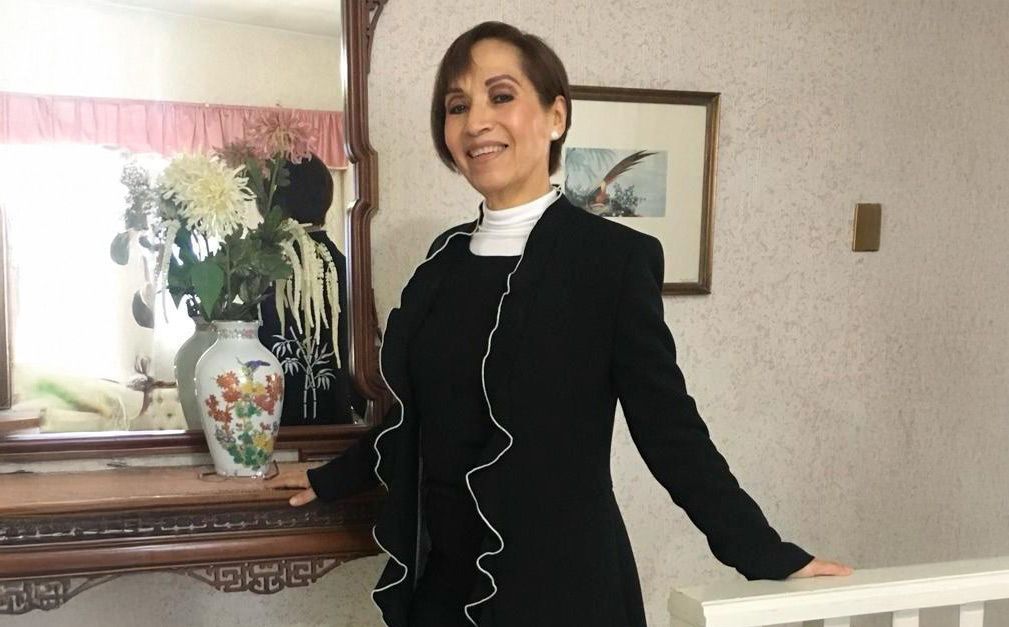

During my graduate studies, I had the opportunity to serve as an assistant for the Center for Religion and Spirituality at Loyola Marymount University. It was a wonderful experience.
During the academic year in which I assisted the Center’s director, I learned a tremendous amount; it was a chance to give hands, feet, a face, and a heart to my studies in pastoral theology through organizations with local, regional, and national reach. The director coordinated numerous programs, initiatives, and workshops, not only for the current season but also for future proposals and plans.
Specifically, my role was to provide support for various bilingual or Spanish-language programs and events.
One of the events I was tasked with assisting on was the annual conference, organized jointly with the Theology Department. Together, these two organizations formed the Latino/a Theology and Ministry Initiative (LLTM)—an initiative whose true significance within the overall program of activities I did not fully grasp at the time.
The conference took place during the spring semester; by then, I had already accumulated nearly a semester and a half of learning and practical experience while assisting the director. When the time came to begin preparations for the conference, I felt somewhat more confident in what I had to offer—that is, until I discovered just how many different angles and details needed to be covered.
That scared me.
Over the following weeks, I strove to do everything necessary; however, as the date drew closer, my nerves began to fray as new details emerged—details I hadn’t been aware of and couldn’t possibly have anticipated. I frequently approached the director with all my questions. I’m not sure if it was because I was asking too many questions, or simply because he was also focused with a variety of other equally important matters, but eventually, he looked at me and said:
–Marisol, you can do this.
And although my nerves were still on edge, the way he said it gave me a renewed sense of self-confidence.
And what happened next?
Although he continued to offer guidance whenever I had doubts, he shifted his focus to other matters. At that moment, I felt so insecure that I found myself wishing he would have continued to guide me even more.
In your case, In those moments when you feel insecure, would you like to have access to constant, ongoing support?
The Scriptures describe the message Jesus gave to the apostles just before ascending into heaven. He entrusted them with a very important task.
Have you ever wondered how the apostles must have felt when they realized that Jesus would no longer be with them in the same way?
In your own life, have you ever doubted whether you could accomplish the task you’ve been entrusted with?
The way the director spoke to me gave me the encouragement I needed to press forward—to continue preparing for the event with even greater confidence than I had in myself. Yet, had he not turned his attention to other matters, I might never have realized just how ready I already was to handle the task at hand.
What must it have been like for the apostles to receive that commission from Jesus, knowing they would have to carry it out entirely on their own?
Could it be that the very moments when you feel most alone are precisely when God trusts that you have the strength to navigate your situation?
If the Spirit leads you, share with “Jesus the Carpenter” those areas of your life where you would welcome a little extra support. And perhaps, in doing so, you will discover that God is indeed with you—and that everything will be alright.
Marisol
P.S.: We can hear about Jesus’ confidence in the apostles in the readings for the Sunday of the Ascension of the Lord (Year/Cycle A).