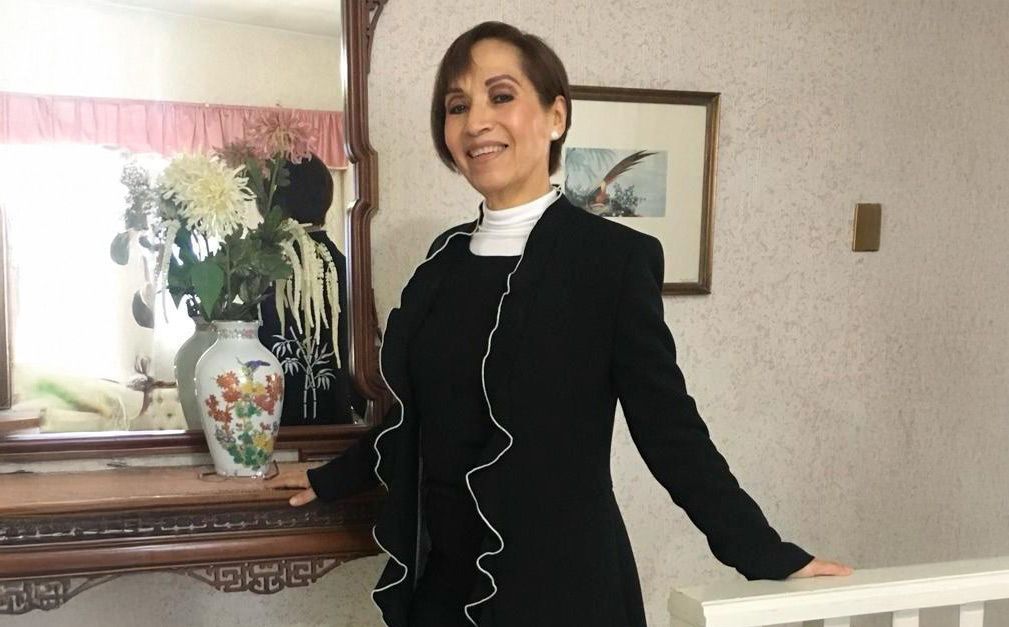

A nun who gave lectures at mass events was waiting in a meeting room, she was waiting for her turn to do some radio and TV interviews as part of the event promotion.
Since I was in the building at the time, a coworker asked me if I could be with her, keeping her company while the time for her interviews arrived.
With much admiration and gratitude, I approached her, introduced myself, and we began to chat. We were jumping from one topic to another before settling on a specific topic.
As part of offering some hospitality, I asked her if she would like something to drink. She had just returned from lunch, so I wasn’t sure if she wanted something to drink or not. She politely declined the offer, reminding me of what I had already observed, that she had just taken her lunch.
To my surprise, someone else arrived and placed two cans of drinks with some napkins next to her. The nun took one of the cans, opened it up and began to drink from it.
I was confused, because she had not received my offer a few moments before, and there she was, refreshingly drinking from that can. Then I asked her:
-Sister, I had just offered you something to drink, and you declined.
-Yes, daughter (she answered me with great tenderness).
-Then why is it that you are drinking from this can?
-Within the charism of our community, we have the rule “Ask for nothing.”
-Ok, but you did not ask me for the drink, I offered it to you. You declined, and yet you are dinking Fromm this that was brought to you.
-The other part of what we have in our charism is “Refuse nothing.” You asked me if I wanted it, without putting it in front of me. And the other person did not ask me if I wanted it, he just brought it to me.
-Ask for nothing, and refuse nothing. (repeating it more to myself.
After internally processing a bit of shame, this dialogue gave rise to another area of her pastoral life. She lives in a community, so I asked her: -Sister, if in your charisma you ask for nothing, how do you sustain yourselves?
-Daughter, we trust in God, because God knows what we need. We offer some services to the community, and God provides the work.
She was then called to prepare for her interviews. After she left, I could not stop thinking about her words: “Ask for nothing, refuse nothing.”
They trusted that God knows what they need.
In your experience, do you trust that God knows what you need?
What has been normal for me is that for someone to earn a living, they need to have some kind of “secure” income. Here I was being introduced to a completely different way of living. The trust that God knows.
There is a moment when Jesus is asked by a rich young man what to do to earn eternal life. Jesus directs him to the commandments. When the young man mentions that he has already fulfilled them, and Jesus directs him to sell his possessions, the rich young man is saddened by the amount of wealth he has.
It seems that the rich young man was not clear about something. It is as if he did not have wealth, but that wealth had him.
In your life, can you identify if you have wealth, or if it has you?
Economic resources are a necessary part of living in our society, that is not up for debate. Even so, Jesus does not stop challenging us. Can each one of us trust that God knows what we need?
God knows what you need, do you trust that?
In the book of Wisdom, the author says that he prefers it over wealth, and that wealth came later. This suggests to us that wealth in and on itself is neither good nor bad, it has no morality.
My dialogue with the nun introduced me to a deeper way of trusting in God’s wisdom.
How can you trust more deeply in God’s wisdom?
Perhaps we can learn from a phrase attributed to St. Augustine: “Pray as if everything depended on God, and work as if everything depended on you.”
If the Spirit leads you, ask Jesus the carpenter how you can seek and trust more in his wisdom, and perhaps together you can discover the way.
Marisol
P.S. We can hear about the centrality of wisdom in the readings of the XXVIII Sunday of Ordinary Time, year/cycle B.